Mastering Skateboard Tricks

Finnegan Flynn
| 02-03-2026
 · Sport Team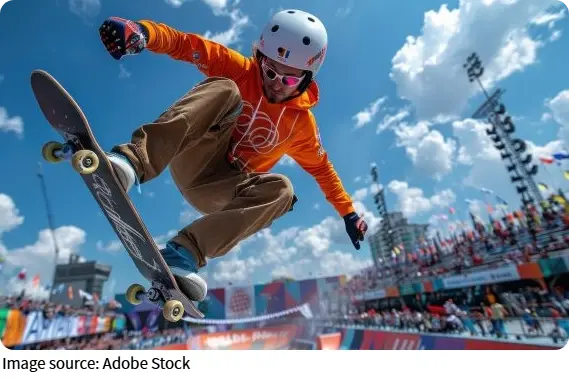
Stepping onto a skateboard for the first time can feel like facing a tiny, rolling puzzle.
Each trick—whether a simple ollie or a complex flip—demands not just balance, but precise timing and body control. Observing experienced skaters glide effortlessly across rails and ramps, many beginners wonder how those moves are possible.
The truth is, every advanced trick starts with a foundation of small, deliberate steps that build confidence, coordination, and muscle memory.
Building Your Foundation
1. Mastering Balance and Stance
Before attempting any trick, ensure your stance is stable. Keep feet shoulder-width apart and distribute weight evenly. For regular-footed riders, the left foot leads, while for goofy-footed riders, the right foot leads. Small shifts in body weight can dramatically influence board control, so practice standing still, leaning, and carving gently on flat surfaces.
2. Practicing Basic Movements
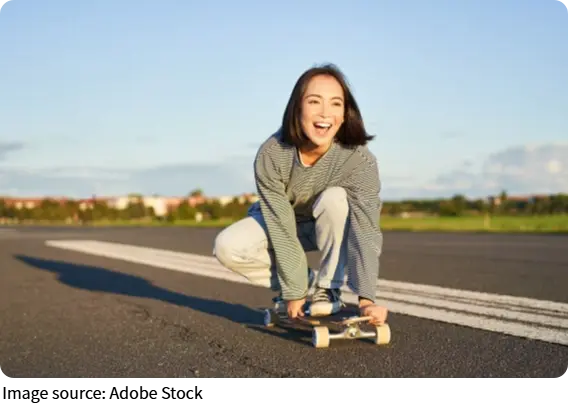
Focus on rolling forward smoothly, making gentle turns, and stopping safely. Familiarity with board response is crucial. Even a minute spent rolling back and forth builds instinctive balance and helps the skater feel comfortable before adding jumps or spins.
3. Learning the Ollie
The ollie is the gateway trick for most skateboard maneuvers. Begin by crouching, then pop the tail of the skateboard while sliding the front foot upward. Timing is critical: your pop lifts the board, while your front foot guides it level in midair. Start on a flat surface and aim for consistent height before moving to small obstacles.
Progressing to Intermediate Tricks
1. Kickflips and Shuvits
Once the ollie is solid, adding rotation or board spins becomes feasible. For a kickflip, flick the edge of the board with your front foot while in midair. Shuvits involve spinning the board 180 degrees beneath your feet. Practice these over soft ground or foam mats to reduce injury risk.
2. Combining Moves
Begin chaining tricks, such as ollie into a shuvit. This requires precise timing and spatial awareness. Breaking each combination into individual steps and repeating them helps your body anticipate board movement. Video recording your attempts can reveal subtle errors in foot placement or timing.
3. Using Ramps and Rails
After mastering basic flips, explore tricks on small ramps or rails. Start low and gradually increase difficulty. Focus on approach speed, body positioning, and exit balance. Protective gear is essential—helmets, knee pads, and wrist guards reduce the impact of inevitable falls.
Advanced Tricks and Refinement
1. Spins and Grinds
180- and 360-degree spins, along with various grinds, challenge both coordination and courage. Begin by visualizing the trick, then perform slow, controlled attempts. Mental rehearsal often reduces hesitation, improving execution speed and accuracy.
2. Style and Personal Expression
At the advanced level, tricks are not just about mechanics—they convey style. Small tweaks in body posture, arm movement, and board angle create a unique signature. Observing others and experimenting helps develop personal flair while maintaining safety.
3. Continuous Practice and Analysis
Trick mastery requires patience. Track progress, focus on weak points, and repeat challenging elements. Joining a local skate community offers support, feedback, and motivation, accelerating improvement.
Each trick mastered is a step toward confidence and creativity. Skateboarding is as much mental as physical: patience, focus, and persistence are key. By starting with the basics, advancing gradually, and respecting safety, even beginners can experience the thrill of airborne flips and smooth grinds. Remember, every expert was once a beginner balancing on a rolling board, and the path to mastery is built one trick at a time.