Deer Antlers Explained

Raghu Yadav
| 16-03-2026
 · Animal Team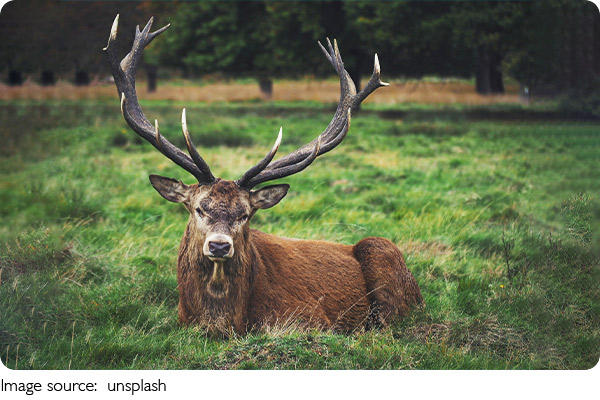
In the quiet of a forest clearing at dawn, a male deer stands tall with its elaborate headgear — a crown of branching antlers that tell a story of seasonal change, competition and survival.
Unlike permanent horns, these majestic structures are not fixed; instead, they follow one of nature's most remarkable cycles of growth, shedding, and regeneration.
What Are Antlers and How Do They Grow?
Antlers are unique to the deer family and are one of the fastest growing tissues in the animal kingdom. They begin as small outgrowths on the skull from a base called the pedicle. During spring and summer, increasing daylight stimulates hormonal changes that drive rapid growth. During this time, antlers are covered in a soft, highly vascularised skin known as velvet, which supplies oxygen and nutrients to the rapidly developing structure. Growth can be astonishingly fast; in whitetail deer, antlers can extend several inches per week in young individuals and even faster in mature deer.
Once the antlers reach full size and mineralisation is complete, the velvet dries and flakes off as the season progresses. This reveals the hardened antler beneath, now strong and ready for its later functions.
The Annual Cycle of Shedding and Regrowth
Unlike horns, antlers are temporary. They serve their primary purpose during the breeding season — known as the “rut” — when males compete for mates. As daylight hours shorten after this period, hormonal changes occur, particularly drops in testosterone levels. This triggers a weakening of the connection between the antler and the pedicle, allowing the antlers to fall off — often without pain — in late winter or early spring.
Almost as soon as the old antlers are shed, new ones start growing on the same pedicles. The cycle begins again, year after year.
1 Functions of Antlers
Antlers serve several important roles during their brief but critical time on the deer's head:
1. Breeding Displays: Large, symmetrical antlers signal a male deer's health and genetic fitness to females.
2. Male Competition: Antlers act as tools during sparring matches or confrontations between males, helping to establish dominance and access to mates.
3. Territory and Status Indicators: Antlers help create visual dominance hierarchies, discouraging weaker males from direct confrontation.
While antlers are powerful in the breeding season, they become energetically costly outside of it. Their annual shedding helps conserve energy when food is scarce and reproductive displays are unnecessary.
The Biology Behind Shedding
The process of antler detachment is remarkable both in timing and mechanism. As testosterone levels drop after the rut, specialised cells at the base of the antler — osteoclasts — begin to resorb tissue at the base of the antler, weakening the attachment. Eventually, this abandonment of the old structure allows gravity and minor movement to free the antlers from the skull.
Because the connection severs slowly and without nerve involvement, the shedding is painless. Within weeks, the exposed pedicle site heals and provides the foundation for the next cycle of growth.
Reflection: Lessons from Nature's Seasonal Crown
The life cycle of deer antlers illustrates more than just biological ingenuity — it reflects the broader theme of adaptation to environmental and reproductive pressures. Each year, a deer invests significant energy into growing, using, and then shedding these grand structures, only to begin again. This cycle underscores nature's balance between display and survival. Observing antlers grow and fall reminds us that even the most striking features in wildlife are shaped by function and necessity.
Through this lens, deer antlers are not just impressive ornaments but symbols of nature's dynamic rhythms — where growth and loss are both integral to life's ongoing story.