Hydrangea Mastery

Caleb Ryan
| 15-04-2026
 · Lifestyle Team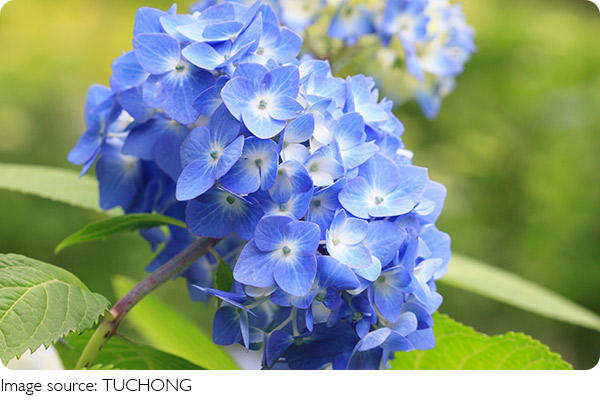
If there is a queen of the summer garden, it is undoubtedly the Hydrangea.
With its massive, cloud-like clusters of flowers and lush green foliage, it has the power to turn a simple backyard into a romantic estate.
However, many gardeners find themselves frustrated when their once-vibrant plant refuses to bloom or turns into a collection of crispy, brown leaves by mid-July. Hydrangeas are not necessarily difficult to grow, but they are "expressive" plants—they have very specific demands regarding water, light, and soil chemistry. Mastering the Hydrangea macrophylla is less about traditional gardening and more about learning to read the subtle language of its petals.
The Balance of Light and Shadow
The name "Hydrangea" comes from the Greek words for "water vessel," which tells you almost everything you need to know about its personality. These plants are incredibly thirsty, but they are also sensitive to the heat of the sun. The most common mistake is planting them in a spot with intense, all-day exposure.
For most varieties, the "Golden Rule" is morning sun and afternoon shade. The gentle light of the morning helps the plant produce the energy needed for those huge blooms, while the afternoon shade protects the delicate leaves from scorching during the peak heat. If you live in a particularly hot climate, even dappled sunlight under a tall tree canopy is preferable to direct exposure. If the leaves start to droop significantly in the afternoon, it is the plant's way of telling you it is losing moisture faster than its roots can drink.
The Alchemy of Color Change
One of the most fascinating facts about Hydrangea macrophylla is its ability to act like a living litmus test. Unlike most flowers, whose color is fixed by genetics, many hydrangeas can shift between blue, pink, and purple based entirely on the chemistry of the soil.
The secret lies in the availability of aluminum. In acidic soil (low pH), the plant can easily absorb aluminum, which results in deep blue flowers. In alkaline soil (high pH), the aluminum becomes "locked" in the soil, and the flowers turn pink. If you want to play the role of a garden alchemist, consider these adjustments:
1. For Blue Blooms: Add aluminum sulfate or organic matter like pine needles and coffee grounds to lower the soil pH. 2. For Pink Blooms: Incorporate garden lime (calcium carbonate) into the soil to raise the pH level. 3. Water Quality: Hard tap water is often alkaline and can slowly turn your blue hydrangeas pink over time. Using rainwater can help maintain acidity. 4. Timing: These changes take weeks or months; you must adjust the soil well before the blooming season begins.
Hydration and Pruning Precision
Because hydrangeas have such large leaves and petals, they lose a massive amount of water through evaporation. The soil should be kept consistently moist but never "swampy." A thick layer of organic mulch around the base of the plant is essential; it keeps the roots cool and prevents the water from evaporating too quickly.
Pruning is where most gardeners go wrong. Hydrangea macrophylla typically blooms on "old wood," meaning the flower buds for next year are formed on the stems during the current summer. If you prune the plant back in late winter or early spring, you are accidentally cutting off all of next year's flowers. The best time to prune is immediately after the flowers fade in late summer. Simply remove the spent blooms and any dead or spindly wood to encourage air circulation.
Winter Protection and Drainage
While they love water, hydrangeas hate "wet feet" during the winter. Ensure your planting site has excellent drainage to prevent root rot during the dormant season. In colder regions, the "old wood" buds are vulnerable to late-season frosts. Covering your plants with burlap or a light layer of straw during a sudden cold snap can save an entire year's worth of flowers.
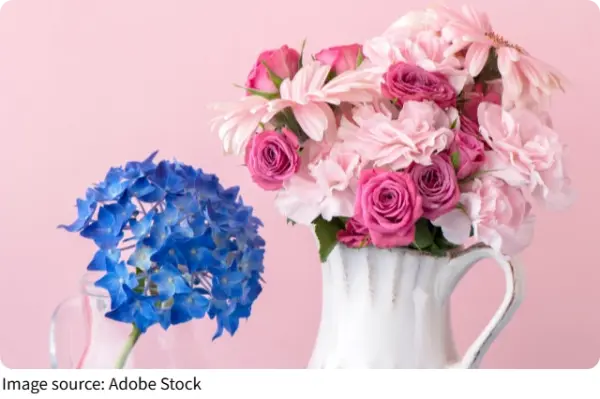
Caring for a hydrangea is a lesson in patience and observation. It is a plant that rewards the attentive gardener with a spectacular show, but it also demands a relationship based on respect for its needs. In our modern world, we often want instant results and low-maintenance solutions, but the hydrangea teaches us that some of the most beautiful things in life require consistent care and a delicate balance of conditions. When you finally see those massive blue or pink orbs glowing in the twilight of a summer evening, you realize that the effort wasn't just about the flowers—it was about learning to harmonize with the rhythm of the seasons and the hidden chemistry of the earth.