Blue Porcelain Secrets

Amit Sharma
| 16-04-2026
 · Art Team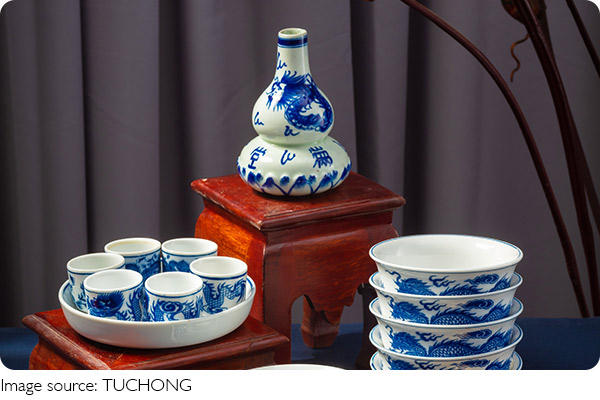
A single vase sits quietly on a wooden table. At first glance, it's just a balance of blue patterns over a white surface—but the longer you look, the more it reveals. The lines are not random.
The curves are intentional. Every detail carries a story shaped by patience, skill, and generations of refinement.
The Mystery Behind the Blue Color
The striking blue seen on these porcelain vases is not simply painted in the way most people imagine. It comes from a mineral-based pigment that reacts during firing, transforming under extreme heat.
What makes it remarkable is its unpredictability. Before firing, the color appears dull and grayish. Only after being exposed to high temperatures does it turn into the vivid blue we recognize.
Key factors affecting the color:
1. Mineral composition of the pigment
2. Firing temperature and duration
3. Oxygen levels inside the kiln
4. Thickness of the applied lines
Even experienced artisans cannot control every variable perfectly, which is why each piece carries slight variations.
Hand-Drawn Precision
Every pattern on a traditional blue porcelain vase is drawn by hand. There are no shortcuts in this process. The artist uses a fine brush, often working freehand without sketches.
This requires not only technical skill but also mental clarity. One mistake cannot be easily erased once applied.
Common design elements:
1. Flowing floral motifs
2. Abstract cloud-like curves
3. Layered borders framing the body
4. Repeating geometric rhythms
The spacing between lines, the thickness of strokes, and the flow of the design all contribute to the final harmony.
The Role of the Kiln
The kiln is where the transformation happens. After shaping and painting, the vase is fired at extremely high temperatures, often exceeding 1200°C.
Inside the kiln, several changes occur simultaneously. The clay hardens into porcelain, the glaze melts into a glass-like surface, and the blue pigment develops its final tone.
Why firing is critical:
1. Determines surface smoothness
2. Locks in the design permanently
3. Enhances color depth and clarity
4. Strengthens the structure of the vase
A slight variation in temperature can alter the outcome significantly, making kiln control a crucial skill.
Hidden Symbolism in Patterns
Beyond visual beauty, many designs carry symbolic meaning. What appears decorative often reflects deeper ideas.
For example, floral patterns can represent renewal and growth, while circular motifs may suggest continuity and balance. Even the placement of elements can influence interpretation.
These symbolic layers turn each vase into more than an object—it becomes a form of visual storytelling.
Why Imperfection Matters
One of the most intriguing aspects of blue porcelain is that perfection is not the ultimate goal. Small irregularities are not flaws; they are signs of authenticity.
A slightly uneven line or a subtle variation in color indicates that the piece was shaped and finished by hand. These details create character, distinguishing handcrafted work from machine-made uniformity.
Collectors and enthusiasts often value these nuances, as they reflect the human touch behind the object.
A Craft That Rewards Patience
Creating a single vase involves multiple stages—shaping, drying, painting, glazing, and firing. Each step requires time and attention, with little room for haste.
This slow process contrasts sharply with modern production methods, yet it is precisely what gives blue porcelain its enduring appeal.
In the end, the true secret of these vases is not just in the materials or techniques, but in the mindset behind them. Precision, patience, and respect for detail come together to create something that feels timeless—an object that quietly holds both art and discipline within its form.