Drone Grid Watch

Chris Isidore
| 23-04-2026
 · Science Team
Electricity networks are one of the most important infrastructures in the modern world. They quietly support daily life, from lighting homes to powering communication systems and industries.
Yet behind this stability lies a constant challenge: keeping vast and complex power lines in safe working condition.
Traditionally, inspection work has depended on manual field teams. These teams travel long distances, climb tall structures, and visually check equipment along transmission routes. While effective in the past, this approach is becoming increasingly difficult to sustain as energy networks expand across diverse environments, including mountains, deserts, forests, and remote regions.
Manual inspection is also affected by weather conditions, terrain difficulty, and human limitations. Small defects may go unnoticed, and large-scale coverage requires significant time and effort. As energy systems grow more complex, a new approach becomes necessary.
A New Era of Aerial Inspection
To meet these challenges, aerial inspection systems have been introduced as a modern solution. Instead of relying solely on ground-based work, we now use unmanned aircraft systems equipped with advanced sensing tools to observe power infrastructure from above.
These systems are more than simple flying devices. They combine automated flight control, high-precision sensors, communication networks, and centralized data platforms. Together, they form an integrated inspection ecosystem that allows continuous monitoring and structured data collection.
We can plan inspection routes digitally, execute missions automatically, and receive real-time information without interrupting ongoing operations. This shift represents a major step toward smarter and more connected infrastructure management.
Improving Safety Standards
Safety is one of the strongest motivations for adopting aerial inspection methods. In traditional operations, personnel often work in elevated or remote environments, where risks can include falls, electrical hazards, or unexpected weather changes.
With aerial systems, we can reduce the need for physical presence in high-risk areas. Inspection tasks are carried out remotely, allowing teams to remain at safe distances while still collecting detailed information. This significantly reduces exposure to dangerous conditions.
Modern aerial systems are also designed to operate in challenging environments. They can maintain stable performance in strong winds, rain, temperature variations, and dusty conditions. This reliability ensures that inspections can continue without unnecessary interruption, improving both safety and operational continuity.
Boosting Operational Efficiency
Efficiency is another major advantage of aerial inspection technology. Traditional methods are limited by travel time, terrain accessibility, and human fatigue. As a result, coverage is often restricted, and large areas require extended inspection cycles.
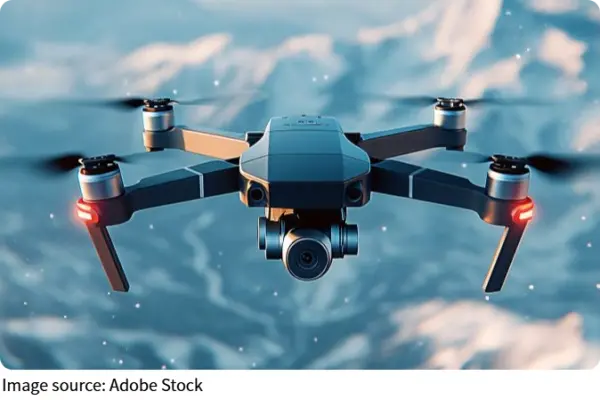
Aerial systems change this dynamic completely. With pre-programmed routes and automated navigation, inspections can be carried out with minimal manual control. Takeoff, data capture, and return processes are all streamlined into a smooth workflow.
This allows a single system to cover far greater distances in less time compared to conventional methods. Tasks that once required several days can now be completed within hours. As a result, maintenance cycles become shorter, and response times improve significantly.
Precision Through Smart Sensing
Accurate detection of potential issues is essential for maintaining reliable energy networks. Human observation, while valuable, can sometimes miss small or hidden defects, especially when inspections are performed under time pressure or difficult conditions.
Aerial inspection systems are equipped with multiple sensing technologies, including high-resolution imaging, thermal detection, and distance measurement tools. These technologies allow us to identify subtle issues such as overheating components, surface wear, or structural irregularities.
In addition, data analysis systems process collected information automatically. They can highlight anomalies, classify different types of issues, and organize findings into clear reports. This reduces manual workload and improves decision-making accuracy, enabling earlier intervention before problems escalate.
Reducing Long-Term Costs
Cost management is an important consideration for large-scale infrastructure maintenance. Traditional inspection requires extensive manpower, training programs, and specialized equipment, all of which contribute to long-term expenses.
By adopting aerial systems, operational teams can significantly reduce personnel requirements while expanding coverage capacity. Fewer field workers are needed for routine inspections, and resource allocation becomes more efficient.
Additionally, centralized data systems reduce duplication of effort. Information is stored, shared, and analyzed in one place, improving coordination across maintenance teams. This leads to a more organized workflow and helps avoid unnecessary operational overlap.
Flexible Use Across Environments
One of the strengths of aerial inspection systems is their adaptability. They are not limited to a single type of environment or structure. Instead, they can be used across transmission lines, distribution networks, substations, and emergency assessment scenarios.
Whether operating over open landscapes, dense urban infrastructure, or remote regions, these systems can adjust their flight paths and data collection methods accordingly. Multi-unit coordination also allows several systems to operate simultaneously, increasing overall coverage and efficiency.
Real-time data transmission ensures that information is immediately available for analysis and decision-making. This supports faster responses during maintenance planning and unexpected situations.
Toward Smarter Infrastructure
Dear Lykkers, the evolution of power network maintenance is clearly moving toward greater intelligence and automation. Aerial inspection systems represent a major step in this transformation, offering improvements in safety, efficiency, accuracy, and cost control.
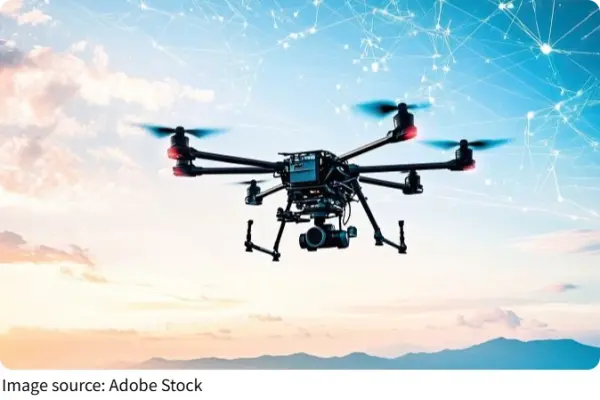
By combining advanced sensing, automated operation, and digital data management, we are building a more resilient and responsive infrastructure model. This not only supports current energy demands but also prepares systems for future expansion and complexity.
As technology continues to develop, we can expect even more refined solutions that further enhance reliability and sustainability. The future of infrastructure maintenance is becoming smarter, more connected, and more efficient than ever before.
Power generation drones - the new way to safely inspect power plants
Video by Flyability