Where Did Those Likes Go

Declan Kennedy
| 18-09-2026
 · Science Team
Welcome back, everyone. Online interaction totals become clearer when each displayed number is understood as the output of several data-processing stages. Pressing a like or share control creates an event request, but network retries and simultaneous activity complicate counting.
A service must decide whether the event is valid, distinct, current, and authorized before changing a stored total. Because storage, processing, and delivery may run on different machines, a viewer can briefly receive a value that differs from the latest accepted record.
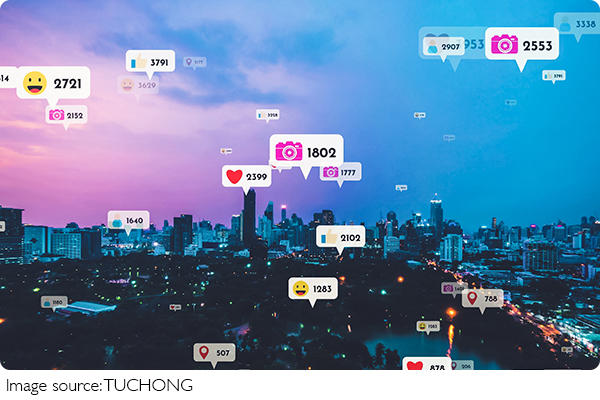
A Click Isn't Always a Count
When we tap like, share, or another interaction button, the number on screen may appear to change instantly. Behind the scenes, however, the platform still has work to do. It may need to confirm that the account is valid, the action is allowed, and the same interaction has not accidentally been submitted twice.
That is one reason a tap and the final public count do not always appear at exactly the same moment.
Why Numbers Can Lag
Large online platforms may be handling huge numbers of interactions at once. Instead of repeatedly calculating every total from scratch, they can store and process information across multiple systems.
Copies of frequently requested information may also be temporarily stored closer to users so pages load quickly. These cached copies do not necessarily update simultaneously. As a result, one phone might briefly display 1,248 likes while another still shows 1,245.
Usually, the numbers catch up as the systems synchronize.
Why Counts Sometimes Go Down
A falling count does not necessarily mean something has gone wrong. Someone may remove a like, delete an account, or undo a previous interaction.
Platforms can also review activity and exclude interactions that do not meet their rules. Automated or duplicate activity may initially appear and later be removed from a public total.
Exactly how this works varies from one service to another.
Why Numbers Sometimes Jump
Not every interaction has to appear publicly the instant it happens. Some systems process activity in batches or receive updates from different parts of their network at slightly different times.
Imagine 100 new interactions occurring while the number you see is temporarily showing an older total. When the displayed information refreshes, it can look as though dozens of interactions arrived at once, even though they accumulated over time.
The Number You See
Likes, shares, views, and other online totals can look wonderfully simple, but the number on screen may be the result of several processes happening behind the scenes.
Verification, duplicate removal, processing delays, cached information, later corrections, and simple rounding can all affect what appears on screen. So when an online count suddenly jumps, drops, or disagrees with another device, the explanation may be less mysterious than it looks.

A visible interaction total is a processed measurement built from accepted events, safe updates, distributed aggregation, cache timing, policy decisions, and number formatting. Brief changes or mismatches are easier to interpret when the interface distinguishes pending activity, approximate labels, and confirmed exact counts.